Warp
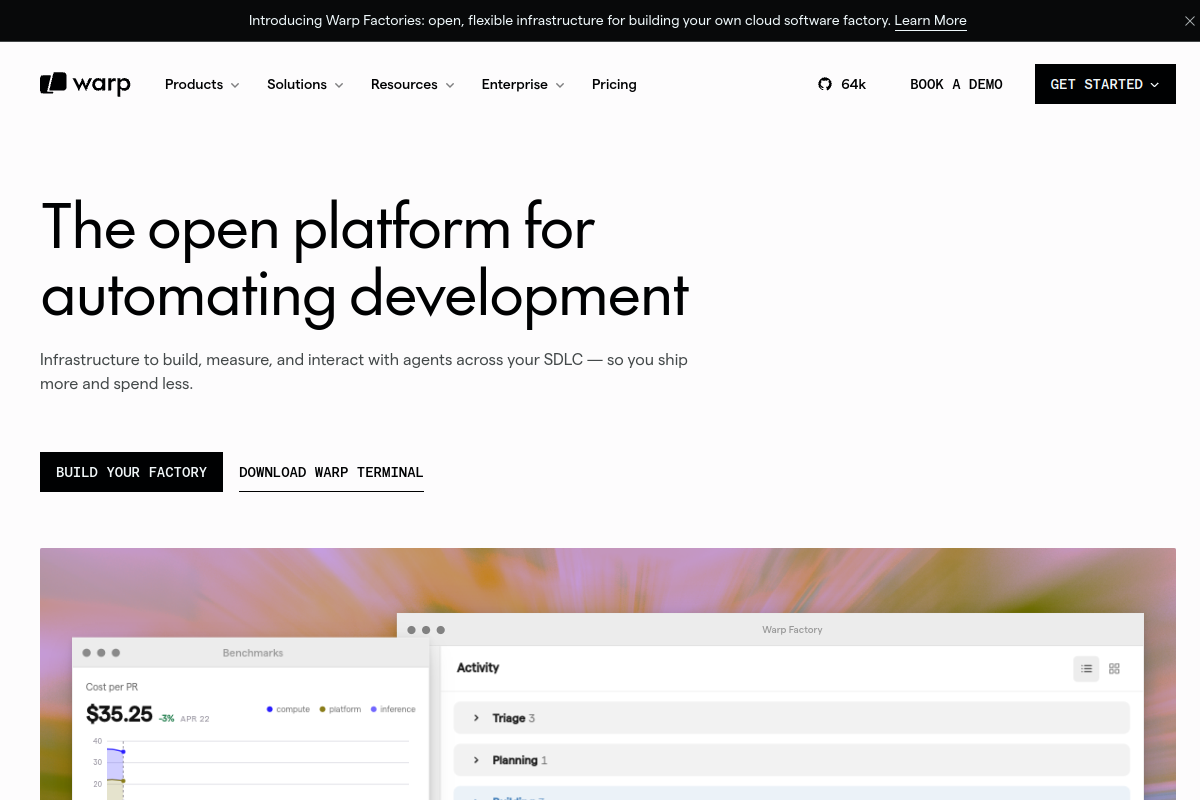
What is Warp?
TL;DRWarp is a modern terminal with an AI agent that helps developers code, debug, automate workflows, and collaborate, combining command-line tooling with model choice, cloud agents, codebase context, and team controls.
- AI coding and debugging inside a modern terminal
- Warp Agent with multiple model options
- Cloud agents, codebase indexing, and collaboration
Explore with AI


About
Warp combines a modern terminal with AI coding and agent capabilities, giving developers a single environment for running commands, generating code, debugging, and working with repositories.
Its Warp Agent can use frontier and open-source models, while cloud agents, codebase indexing, collaboration, and integrations extend the workflow beyond a local terminal session.
Developers can bring their own model API keys or use Warp's included credits, and teams can manage usage, data controls, SSO, and shared workflows through higher plans.
Warp uses a usage-oriented pricing model with a free tier, Build and Max plans for individuals, Business for teams, and custom Enterprise options.
Use Cases
AI Coding
Use Warp Agent to generate, modify, explain, and debug code directly from a modern terminal workflow.
Repository Work
Index codebases and give AI agents context for debugging, development tasks, and larger engineering workflows.
Cloud Agent Tasks
Delegate coding or investigation tasks to cloud agents and review their progress without keeping the work local.
Team Development
Connect Warp with collaboration tools and manage AI usage, data controls, and spend across development teams.
Key Features
- AI coding and debugging inside a modern terminal
- Warp Agent with multiple model options
- Cloud agents, codebase indexing, and collaboration
- BYOK, credits, spend controls, and team governance
We may earn commissions from links to support our work. Learn more.
Explore with AI
Pricing summary
Warp has Free at $0, Build from $20/month, Max from $200/month, Business from $50/user/month, and custom Enterprise pricing. Annual billing discounts are shown on the current pricing page.
Pricing & Plans
Free
Modern terminal with starter AI access
Free
- Modern terminal
- Warp Agent CLI
- BYOK
- Limited cloud agents
Popular
Build
Flexible AI development for individuals
$20/month
- 1500 credits
- Full Warp Agent
- BYOK
- Cloud agents
Max
Maximum AI capacity for developers
$200/month
- 18000 credits
- Full Build features
- High AI capacity
- Add-on credits
Other pricing notes
- Build starts at $20/month and includes 1,500 monthly credits.
- Max starts at $200/month with 18,000 monthly credits.
- Business starts at $50/user/month with team controls and 1,500 credits per seat.
Pricing last checked: August 2026Official pricing
Pros & Cons
Pros
- Combines terminal and AI agent workflows
- Supports multiple model providers
- BYOK gives developers billing flexibility
- Strong team controls on Business and Enterprise
- Free plan makes the terminal easy to test
Cons
- AI usage is credit based
- Heavy agent usage can increase spend
- Cloud agent capabilities vary by plan
- Advanced governance requires higher tiers
- Terminal-first workflow is not ideal for everyone
The Best Warp Alternatives
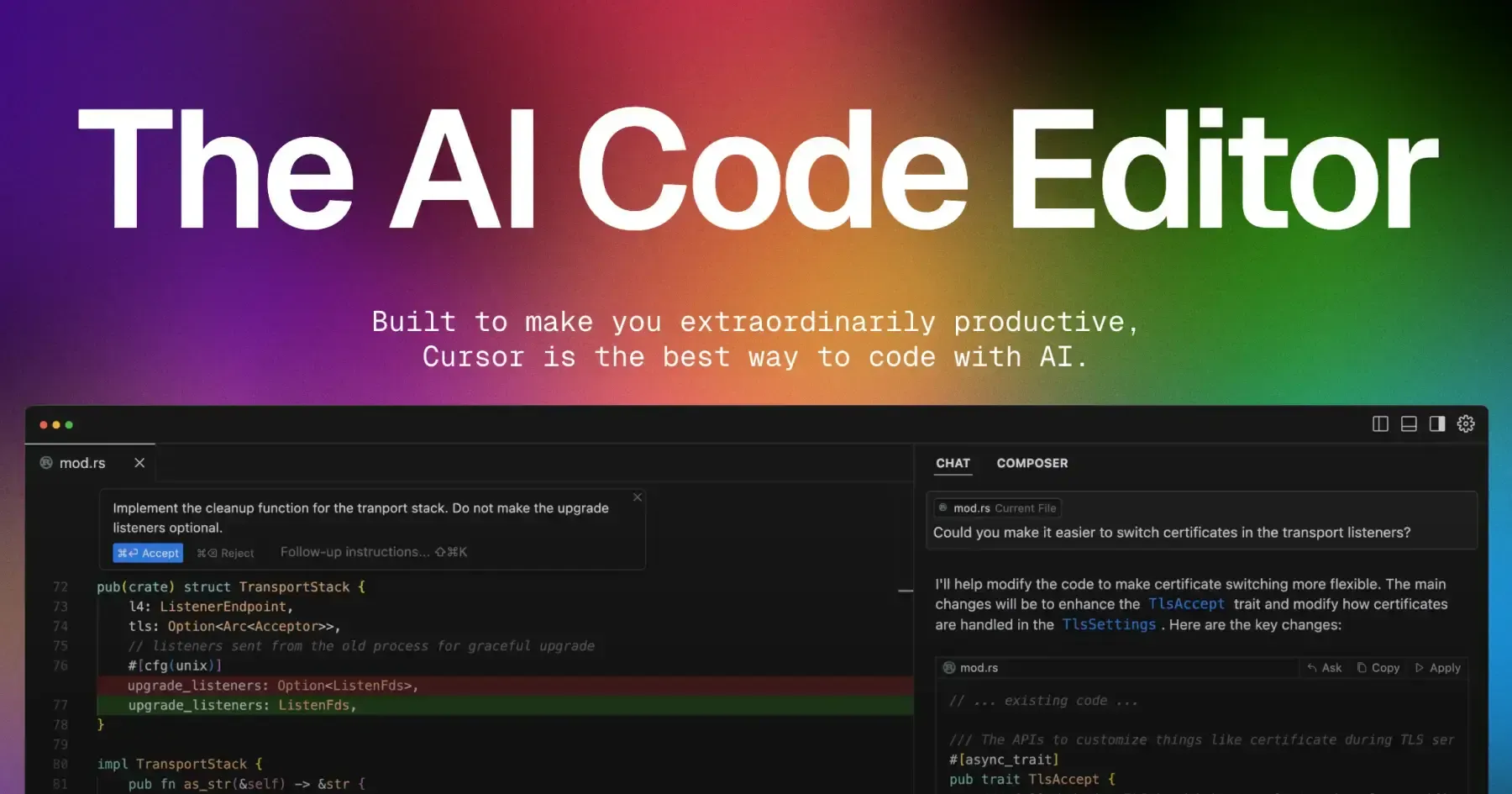
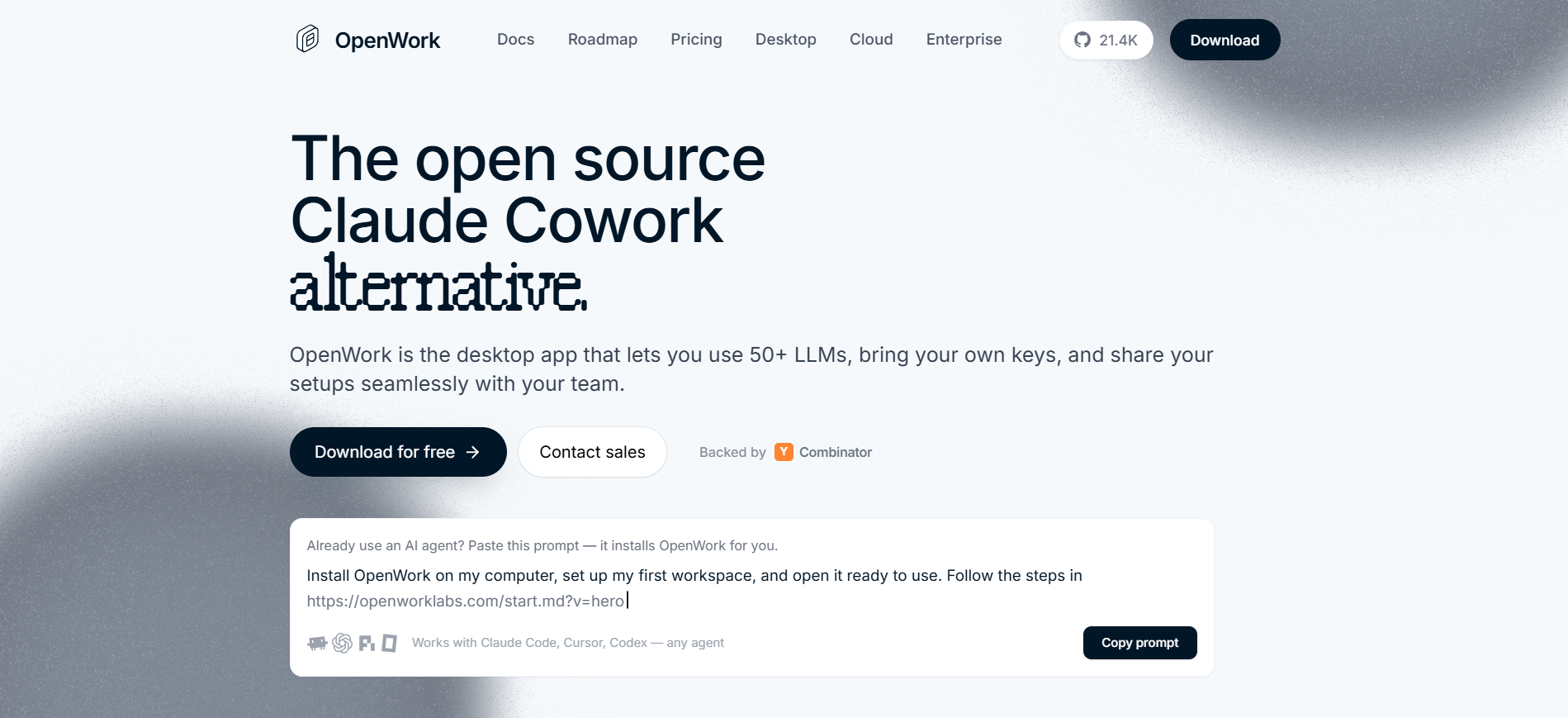
The best Warp alternatives are Cursor, Claude Code, and Codex.
Frequently Asked Questions
Reviews
Honest feedback from the FutureStack community.
0.00 ratings
No reviews yet. Be the first to share your experience.
Trending Tools on FutureStack
Discover the most popular and hand-picked AI tools across FutureStack




Warp
Coding